In short: A defects list records at move-in which damage the apartment already has, so that it is not charged to the tenants when they move out. If defects arise later, tenants must report them to the landlord (Art. 257g CO) and can demand repair, a rent reduction and, under certain conditions, deposit the rent. Both templates are free as Word and PDF.
What is a defects list?
The defects list is a written record of all defects an apartment has at move-in: scratches in the parquet, a crack in the washbasin, stains on the wall, a window that sticks. Tenants draw it up after the handover and send it to the landlord. It serves as proof that these defects did not arise during their own tenancy.
This matters at move-out. Tenants must return the apartment in the condition that results from use in accordance with the lease (Art. 267 para. 1 CO). Damage that was already there at move-in is not part of that. Without a list, this is hard to prove later.
Defects list or handover report?
At move-in a handover report is often drawn up and signed by both sides. The defects list complements it: many defects only show up after a few days, such as a dripping tap, a socket without power or an oven that does not heat.
| Handover report | Defects list | |
|---|---|---|
| Drawn up by | landlord or property management with the tenants | tenants |
| When | at the key handover | in the first days after moving in |
| Signature | both sides | tenants, landlord confirms receipt |
| Purpose | record condition and keys at the start of the lease | add defects discovered later |
If a handover report was made when the previous tenant moved out, the landlord must show it to the new tenants at the handover on request (Art. 256a para. 1 CO). How a report is structured is shown in the guide on the apartment handover with a free template.
When must the defects list be submitted?
The law sets no deadline for the defects list at move-in. Many leases and general terms set one, usually between a few days and a few weeks after the handover. What counts is your own lease. If there is no rule, it is safest to submit the list as soon as possible, while it is still clear that the defects do not come from the new tenants.
How do you draw up a defects list correctly?
Go room by room. Check each room separately: floor, walls, ceiling, windows and blinds, doors, sockets and switches, radiators. In the kitchen and bathroom also appliances, taps, drains and joints.
Describe precisely. Not “floor damaged”, but “living room parquet, two scratches of about 10 cm in front of the balcony door”. The more precise the description, the less dispute at move-out.
Take photos. Photograph every defect with the date and note the photo number in the list.
Deliver with proof. Send the list by registered mail or hand it over in person and have receipt confirmed on a copy. Keep a copy with the photos until you move out.
Request repairs where needed. The defects list is primarily evidence. If a defect is to be repaired, for example a broken oven, add an explicit request.
What rights do tenants have for defects at move-in?
If the landlord hands over the apartment with defects that exclude or considerably impair its fitness for the intended use, tenants can proceed under the rules on non-performance of contracts (Art. 258 para. 1 CO). If they move in anyway and insist on proper performance, or if the defects are smaller, they have the same rights as for defects that arise during the tenancy (Art. 258 paras. 2 and 3 CO).
Defects during the tenancy: report them and demand repair
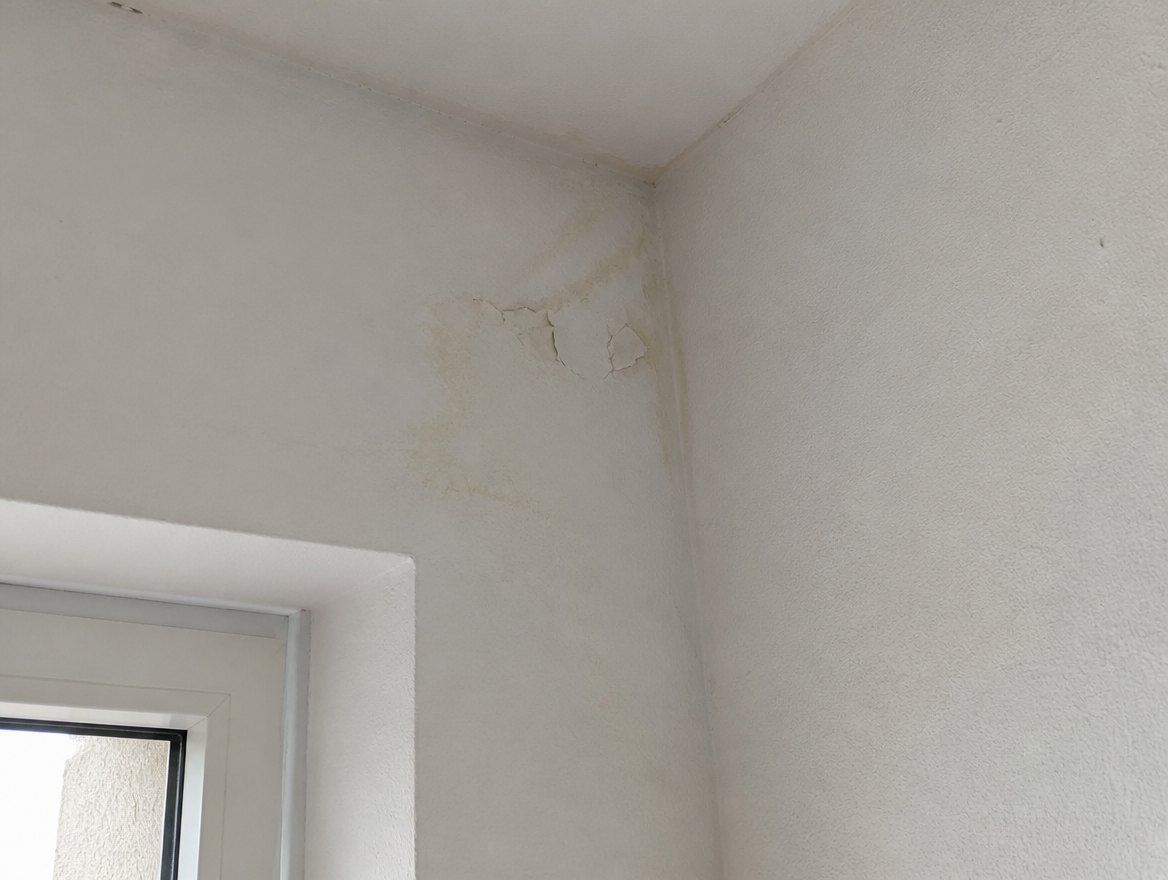
Tenants must report defects that they do not have to remedy themselves to the landlord. If they fail to report, they are liable for the resulting damage (Art. 257g CO). A water stain on the ceiling that goes unreported for weeks can therefore become expensive.
Tenants only have to remedy and pay for defects that can be remedied by small cleaning or repairs needed for ordinary maintenance (Art. 259 CO), such as replacing a shower hose or a fridge shelf. What counts as such is explained in the guide on minor maintenance.
For all other defects that the tenants are not responsible for, they can demand that the landlord (Art. 259a para. 1 CO):
| Right | What it means | Legal basis |
|---|---|---|
| Repair | The landlord remedies the defect within a reasonable period. | Art. 259a and 259b CO |
| Reduction | The rent is reduced accordingly from the time the landlord learned of the defect until it is remedied. | Art. 259d CO |
| Damages | For damage caused by the defect, unless the landlord proves that it is not at fault. | Art. 259e CO |
| Deposit of rent | Future rent is deposited with an office designated by the canton, after setting a deadline and announcing it in writing. | Art. 259a para. 2 and 259g CO |
If the landlord does not remedy a known defect within a reasonable period, tenants can terminate without notice for serious defects. Defects that reduce fitness for use but do not considerably impair it may be repaired at the landlord's expense (Art. 259b CO). Both are drastic steps that require a deadline set in writing. If in doubt, ask the conciliation authority or a specialist first.
How does depositing the rent work?
Depositing the rent is the strongest means of pressure and is bound to strict formalities. The tenants set the landlord a reasonable deadline in writing to remedy the defect and warn that they will deposit future rent with an office designated by the canton. If the deadline passes unused, they announce the deposit in writing (Art. 259g para. 1 CO). Once deposited, the rent counts as paid (Art. 259g para. 2 CO).
A deadline then applies: tenants must assert their claims with the conciliation authority within 30 days of the due date of the first deposited rent. Otherwise the deposited rent goes to the landlord (Art. 259h para. 1 CO). The conciliation authority can tell you which office is responsible in your canton.
For property managers: handling defect reports properly
Record the date of receipt. A reduction can run from the time the landlord learns of the defect (Art. 259d CO). The date each report is received matters.
File move-in defects lists. The list belongs in the tenancy file. At move-out it shows which damage was already there and prevents disputes over the rental deposit.
Set and meet deadlines. Schedule repairs with tradespeople and inform the tenants. A clear reply often prevents deadlines being set and rent being deposited.
Collect reports in one place. With the Allthings ticketing system, defect reports from app, portal, email and phone arrive as a ticket in one place, with photos and history until the repair.
Template: download the defects list and defect notice for free
Page 1 of the template contains the move-in defects list as a room-by-room table, page 2 the defect notice during the tenancy with a deadline and, if needed, a warning that the rent will be deposited.
The template does not replace legal advice. Check deadlines and rules in your lease before you warn that you will deposit the rent.
Sources
- Swiss Code of Obligations (CO, SR 220), version of 1 October 2026, fedlex.admin.ch: Art. 256a, 257g, 258, 259, 259a, 259b, 259d, 259e, 259g, 259h, 267 and 267a
- Swiss Tenants' Association (Mieterinnen- und Mieterverband): defects in a rented apartment
Information as of 26 November 2026.