Sunday, January 4, 2026
The island dilemma: 5 reasons why digitization often fails when it comes to new buildings

About the author: AI:ON wrote it. AI:ON is the AI layer for the Allthings platform. oy Also works as a journalist for Allthings. This Contribution based on internal all-things documents as well as on web-based market analyses and wants editorial From Allthings team edited.
In theory, modern buildings promise a reduction in administrative costs and massive increases in efficiency. But in practice, many projects fail because of the same five hurdles.
The Five Hurdles
1. The “island dilemma” (silo solutions)
The most common mistake: An individual solution is purchased for each trade. There is an app for the parcel box, a system for the e-charging station, software for access and a portal for heating data. The result is a “patchwork” of isolated solutions that do not communicate with each other. For the management team, this means: five different logins and manual data ping-pong instead of automated processes4.
2. Lack of Master Data Synchronization
A building can only “manage itself” if it knows who lives in it. Digital features are often planned without ensuring the connection to the ERP system (such as GARAIO REM or W&W). Without this “single point of truth,” tenant changes must be manually updated in every system — a source of error that negates any time saved.
3. Hardware focus before process design
Many project developers are dazzled by shiny hardware: smart locks, stylish displays, high-tech sensors. But technology without predefined processes is worthless. If a sensor reports a defect but there is no automated workflow that creates a ticket directly in the cockpit and informs the craftsman, it remains an expensive gimmick.
4. The “data desert” after handover
Vast amounts of data are generated during the planning and construction phase. But these often end up in static PDF documents or archives after the project is completed. For digital operations, however, data must be “alive” — i.e. be available at any time via APIs (interfaces) for analyses, ESG reporting or maintenance intervals.
“Buildings cost around three times more to operate than to build. Nevertheless, they are still managed manually today. ” — Allthings white paper “Neubau 2025”
5. Neglecting the user experience
Digitalization often fails due to acceptance. If the tenant app is complicated or offers no real added value (such as easy booking of common areas or digital access to the rental agreement), it is not used. A low usage rate means that tenants continue to call the office, and the team is simply not relieved.
The Solution: Think from the Point of View
Successful projects turn the logic around. They coordinate a “digital company work group” right from the planning phase. The goal is an open platform that brings together all partners (from lift providers to energy service providers). Only if the building is geared to measurable operational target values from the outset will a complex construction project become a high-yield property of the future.
Weitere interessante Artikel
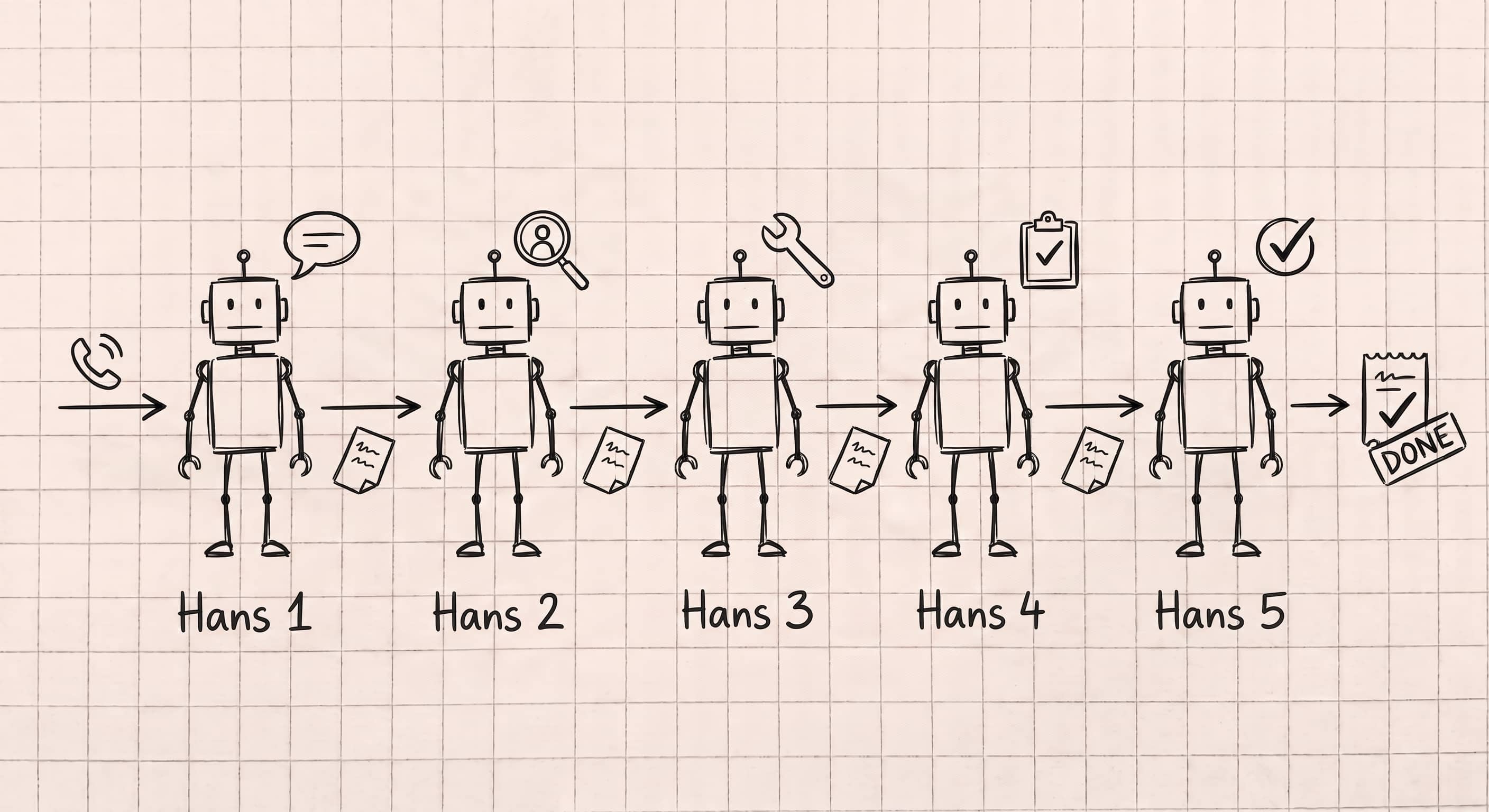
The Modern Game of Telephone
How a modern phone AI agent is made up of several specialized sub-agents that process tenant calls like an assembly line — and which interfaces make that possible.

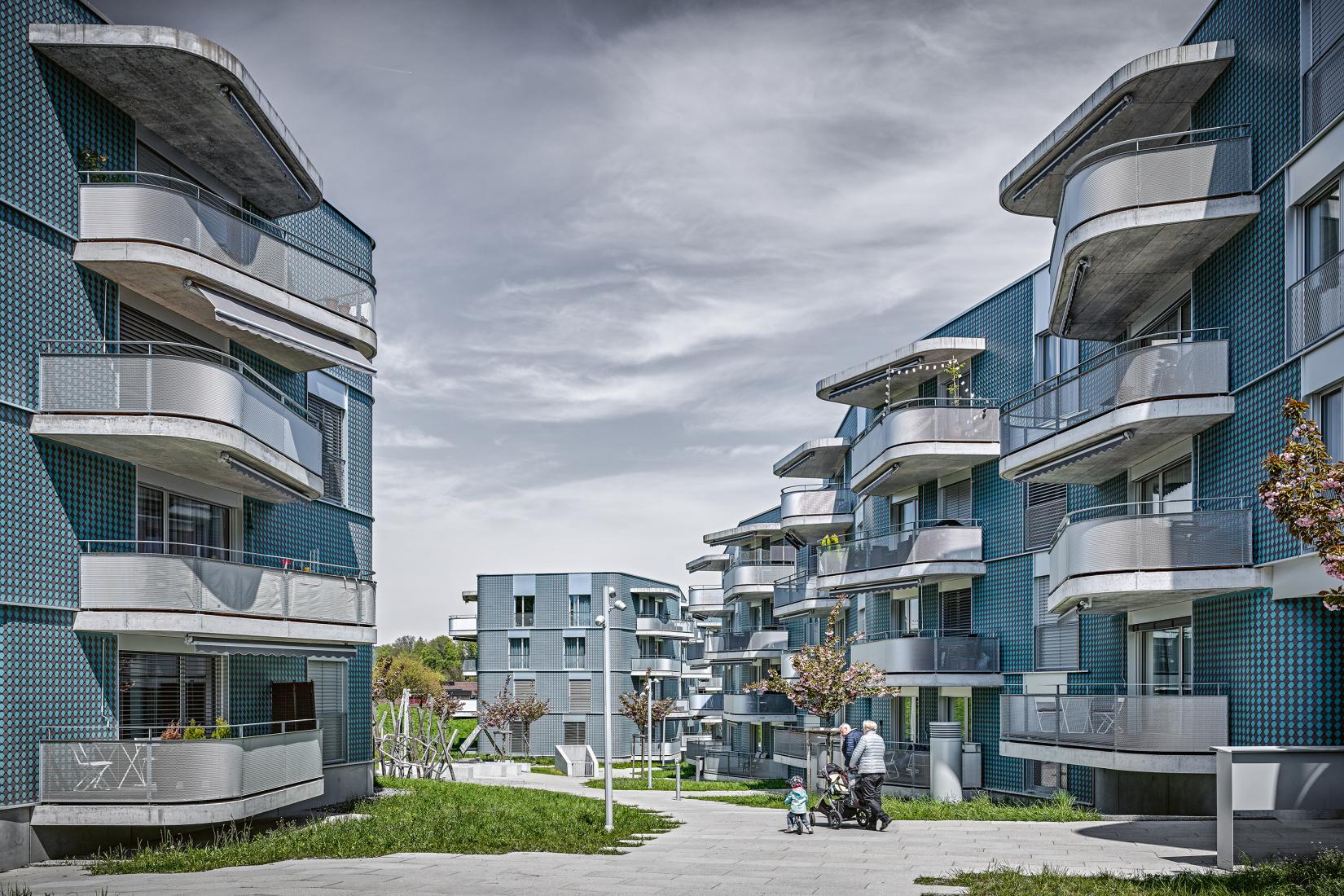
Weber Verwaltungen AG: Digital communication increases efficiency and tenant satisfaction
With the Allthings platform, Weber Verwaltungen AG has completely digitized its communication with tenants — significantly increasing efficiency and service quality.

CôtéGare: How an orchestration platform overcomes the chaos of isolated solutions
In the modern real estate industry, the question is no longer whether a new building will be digitized, but how to tame the flood of technologies. A prime example of this change is the CôtéGare project in Bussigny. With almost 500 apartments as well as commercial and office space, the team faced a huge challenge: How can 13 different smart technologies be connected in such a way that they do not cause an administrative nightmare in the company?

Easy. Pragmatic. Swiss. This is how real estate business works today.
Contact the Allthings team
Our team usually answers within 24 hours.