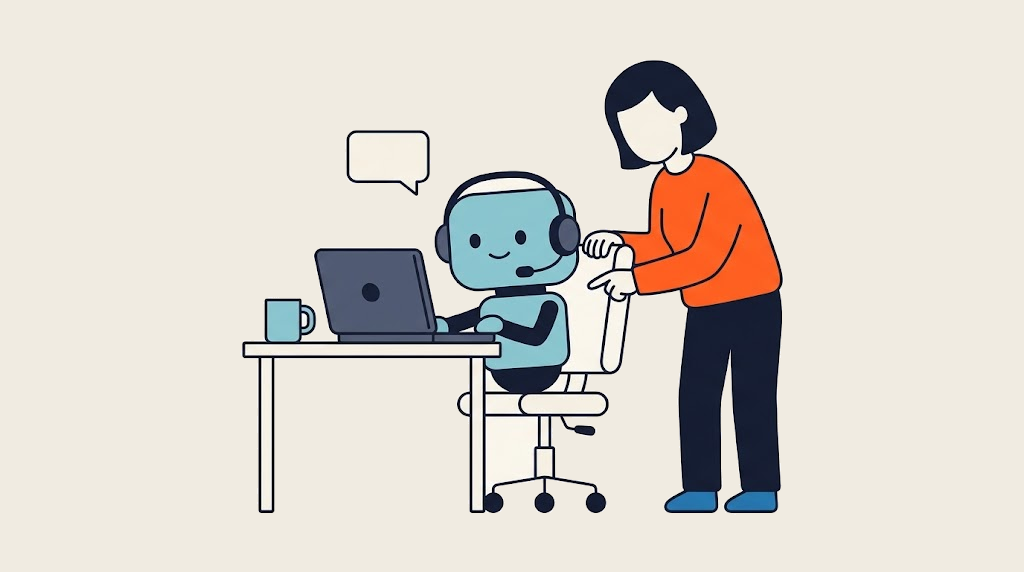
Service center, issue management, ticket, Pendenz: for a long time, we had many names for the same thing. Why we're tidying up now, what task, step and request actually mean, and why everything in the Cockpit will soon simply be called “Tasks”.
Timon Graf — Product Owner AI, Allthings Technologies AG
Service center, issue management, ticket, Pendenz: for a long time, we had many names for the same thing. Why we're tidying up now, and why it's more than cosmetic.
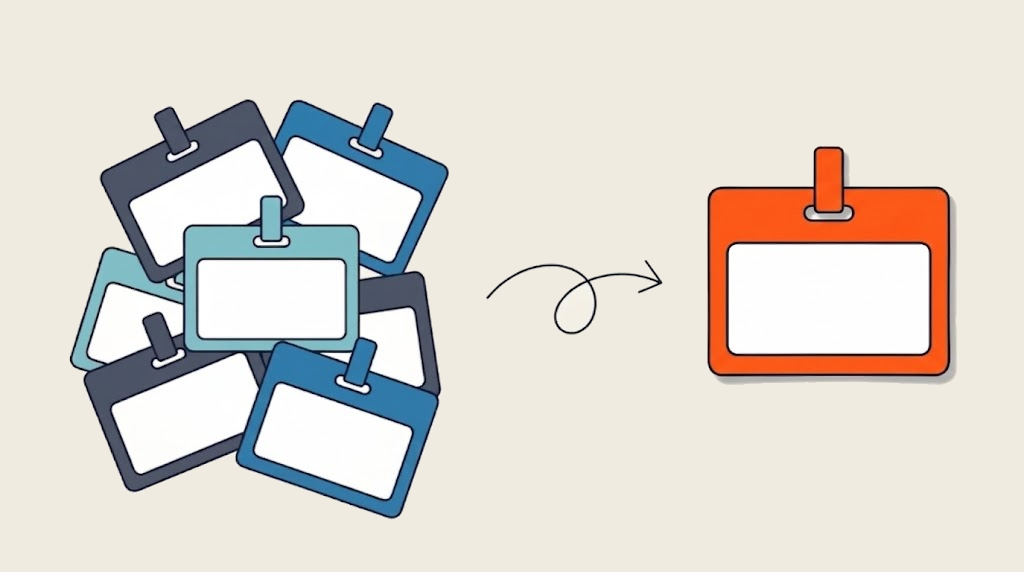
One thing, many names
The place where residents report things used to be called the “Service Center”. In the Resident Portal, each property management still decides what to call it: sometimes Service Center, sometimes Service Point, sometimes Help Desk. In the Cockpit, it became “Issue management”, where the team handled “tickets”. Customers talked about “Pendenzen” (the Swiss word for pending items), partner systems about “tasks” or “work orders”. Often the same thing was meant, but not always.
For the teams who work with it every day, this meant searching, asking around and rethinking. The Help Center sometimes said something different from the Cockpit, and the French version said something else again. And the more partner systems and AI are involved, such as our AI phone assistant Hans, the more important a shared language becomes.
One thing, one term
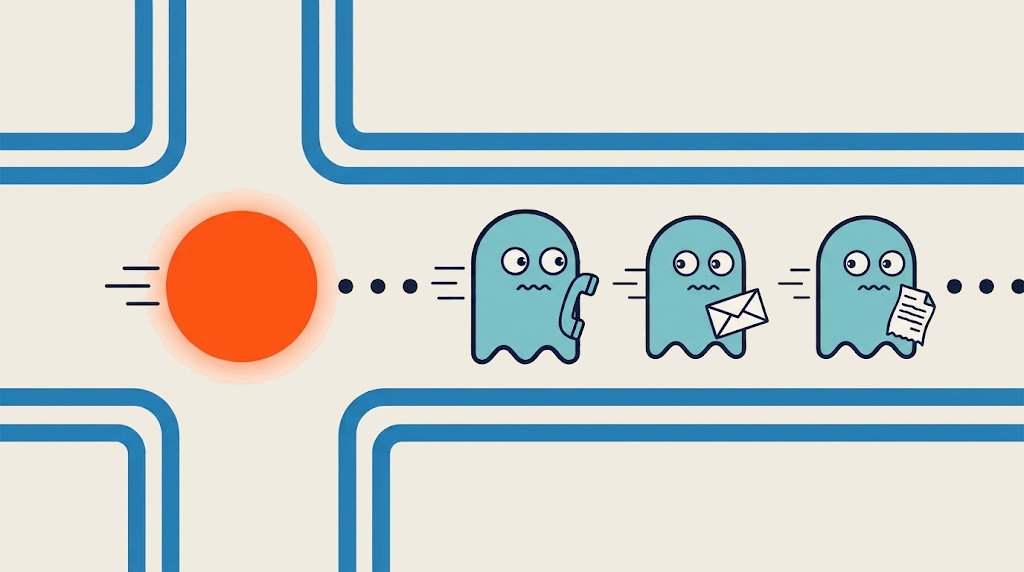
There's also this: as Brigitte Moser describes in “Pac-Man and the Ghosts of Everyday Property Management”, we're currently expanding the Cockpit into the place for all your team's tasks: with internal tasks, templates, checklists and AI employees. New features need clear terms, and they need them before they go live. That's why we've defined what's what:
- Task: Everything your team is responsible for and has to complete from start to finish. For example, handling a repair, re-letting an apartment or preparing a heating and service charge statement: everything you do for your owners. That's why issue management in the Cockpit will soon simply be called “Tasks”, in line with the new features being added right now.
- Step: A single item on a task's checklist, completed in a defined order. For a repair, for example, first get the quote, then arrange the appointment with the contractor. Soon, steps can be checked off directly in the task.
- Request: What residents report, such as a dripping sink or a question about the service charge statement. In the Cockpit, it becomes a task for your team. Conversely, not every task has a request, because your team starts internal tasks itself. In the Resident Portal, it stays a “request”.
- Ticket: The technical object in the background that holds all the information and communication together. It remains important for interfaces, but we avoid it in the user interface wherever possible.
Tidying up the small print
A new term is quickly agreed on. Applying it consistently everywhere is painstaking work. The Cockpit alone has around 4,000 texts, in six languages. Over the past few months, we've combed through them piece by piece:
- A shared glossary defines which term stands for what, in all languages.
- Recurring wording such as statuses, rental period or “Log out” has been standardized.
- The same rules apply everywhere, such as the Swiss “ss” in German, formal address and gender-neutral terms such as “Bewohnende” (residents).
- We continuously check the Help Center articles against the actual product.
Today, all texts in the Cockpit and the Resident Portal are fully translated into all six languages. It was tedious at times, but it was worth it. Next comes the switch to “Tasks”, sentence by sentence.
New words without the wait
A new term used to be a small stumbling block. Translations were requested via ticket, and gaps sometimes only showed up after a release. Today, an AI-supported routine checks every morning whether any texts are missing and suggests translations based on our glossary. After a short review, they're added. Once a week, we also check whether everything that has gone live is properly translated and documented.
For development, this means new terms no longer hold anything up. For you, it means anything new speaks your language from day one.
And what do you call it?
Task, Pendenz or to-do: which terms does your team use day to day, and what do you call the individual steps? Write to us at timon.graf@allthings.me. Good words aren't created at a desk, but in conversation with you.